
I have a gothic heart and soul because I am haunted by what might have been, and gothic literature which I have read extensively since my near-death experience is about people being haunted by events, memories, thoughts and monstrous things conjured up from the subconscious.
Victor Hugo wrote in 1832 in the gothic novel the Hunchback of Notre-Dame; “Without doubt, Notre-Dame de Paris is still a majestic and sublime edifice today. But as beautifully as it has been preserved, as it gets older it is difficult not to sigh, not to be indignant at the degradations, the countless mutilations that both time and man have subjected to the venerable monument, without respect for Charlemagne who laid the foundation stone or Philippe-Auguste who laid the last.”
Writing in the 19th century and angry at the dilapidation of the iconic building Hugo called it the “massacre of ancient stones” and the “demolishers” of France’s past in general. He was talking of how the architectural fashion in Europe had swung against the Romanesque, replaced by the Renaissance style leaning toward Neo-Classic which reached its zenith in the 1800´s, and those who had questioned this transformative period from the medieval were called Gothic as a form of condemnation.

Although it was generally seen as the French Style, Gothic architecture was labelled as such and denounced as “barbarous German” in the 1500´s a reference to the Germanic people, who played a major part in the fall of the Western Roman Empire by 476. Amongst the Germanic tribes were the Visigoths who sacked Rome in 410, but a critic might also have referenced another Germanic tribe the Vandals who repeated the action in 455. I wonder if instead we might be now calling churches and novels Vandalic but of course we use vandal as a slur to describe wanton acts of destruction.
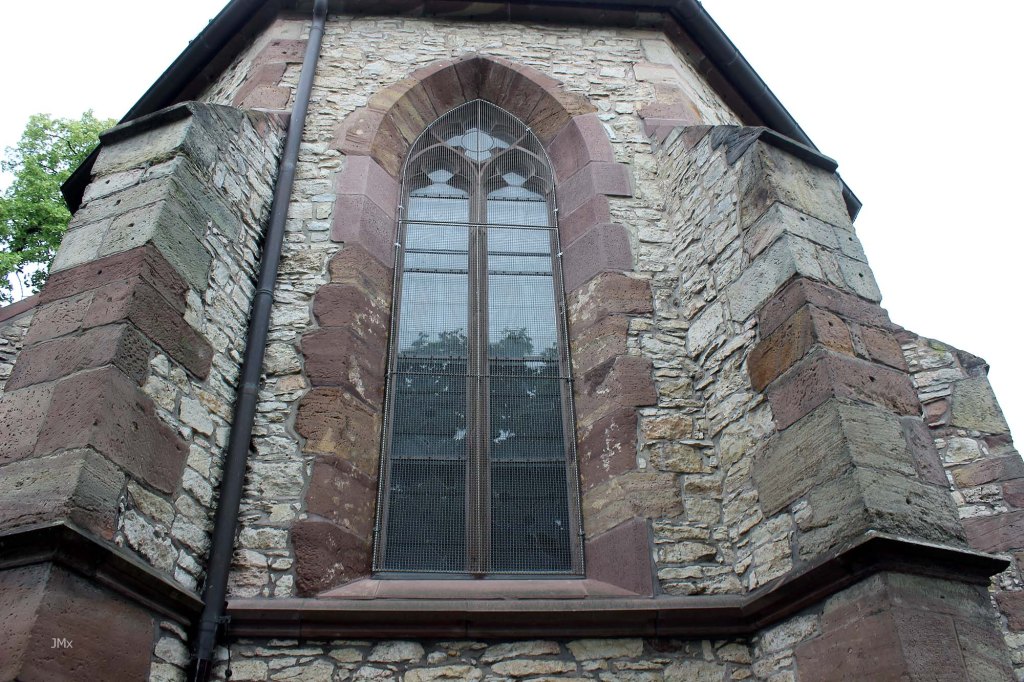
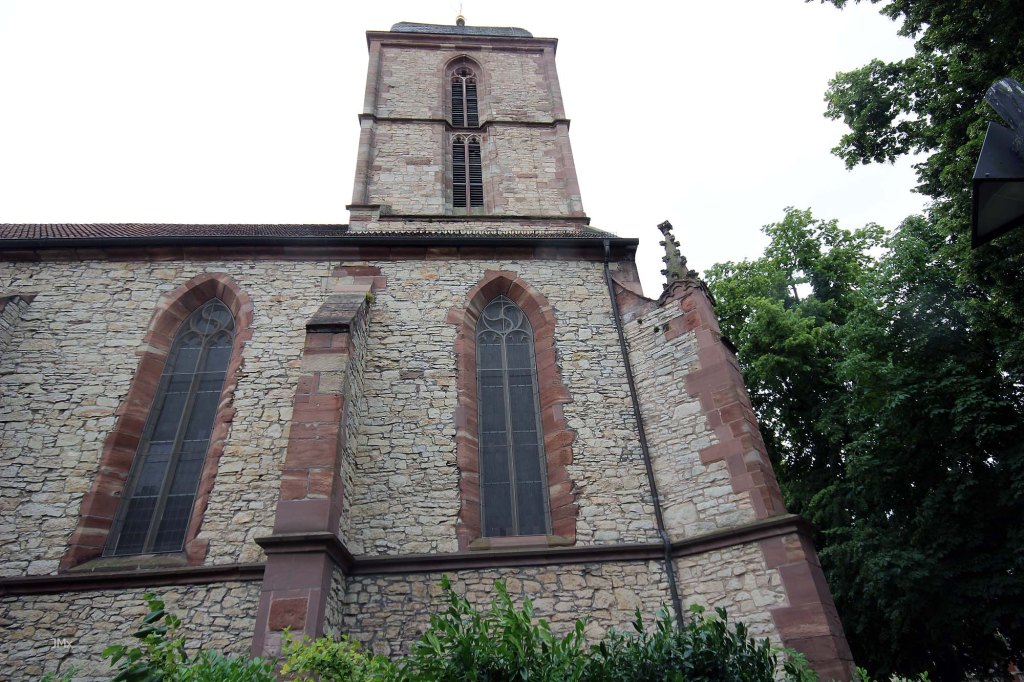
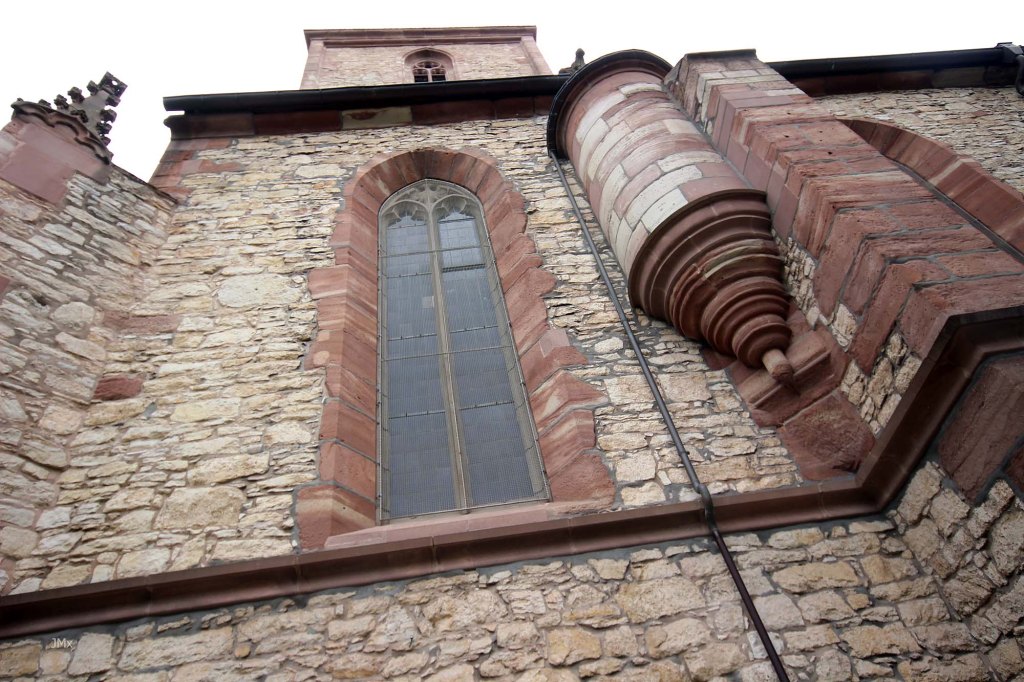
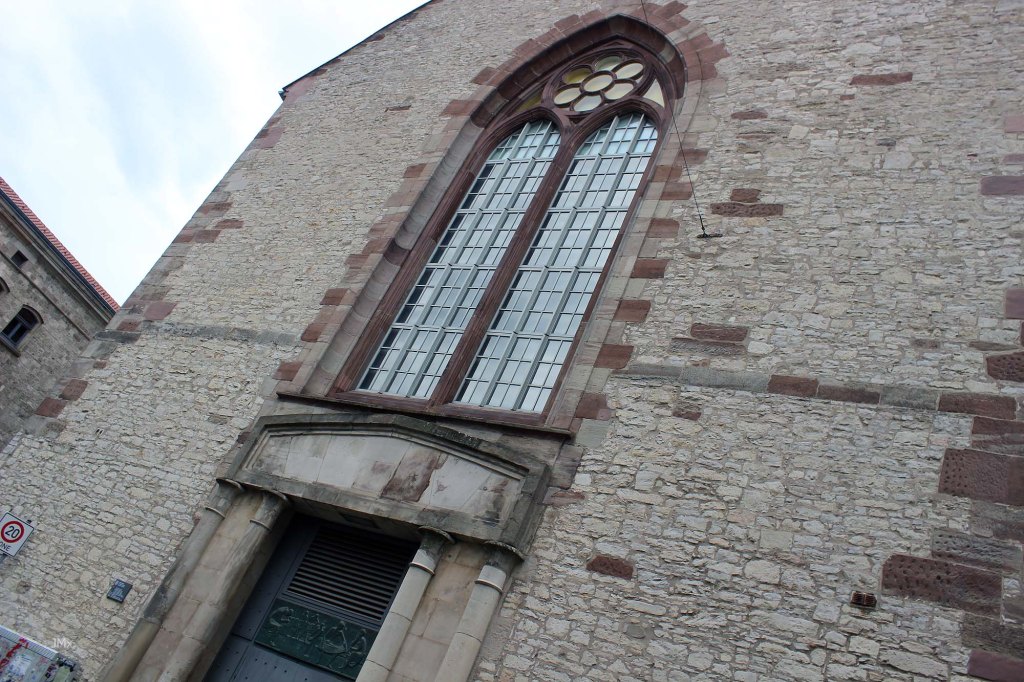
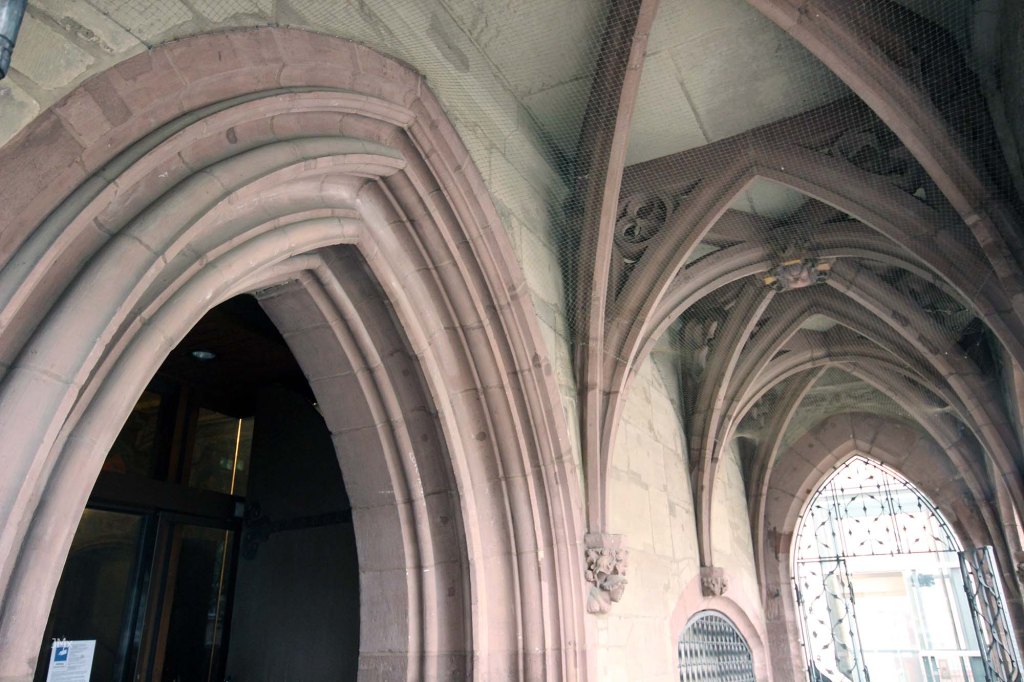
Gothic architecture held away from the 12th century until the 16th having developed from the Romanesque (flat rounded arches) and is recognisable for using high pointed arches over doors, tall spires, flying buttresses, cavernous space within and ribbed vaulted roofs, elaborate stonework and often stained-glass windows.
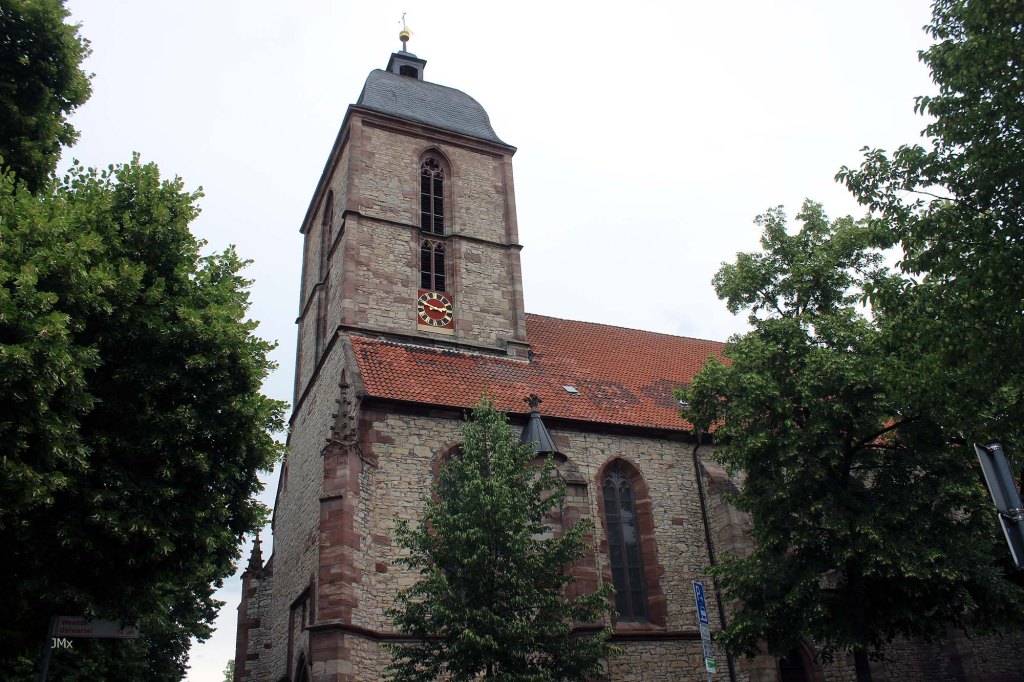
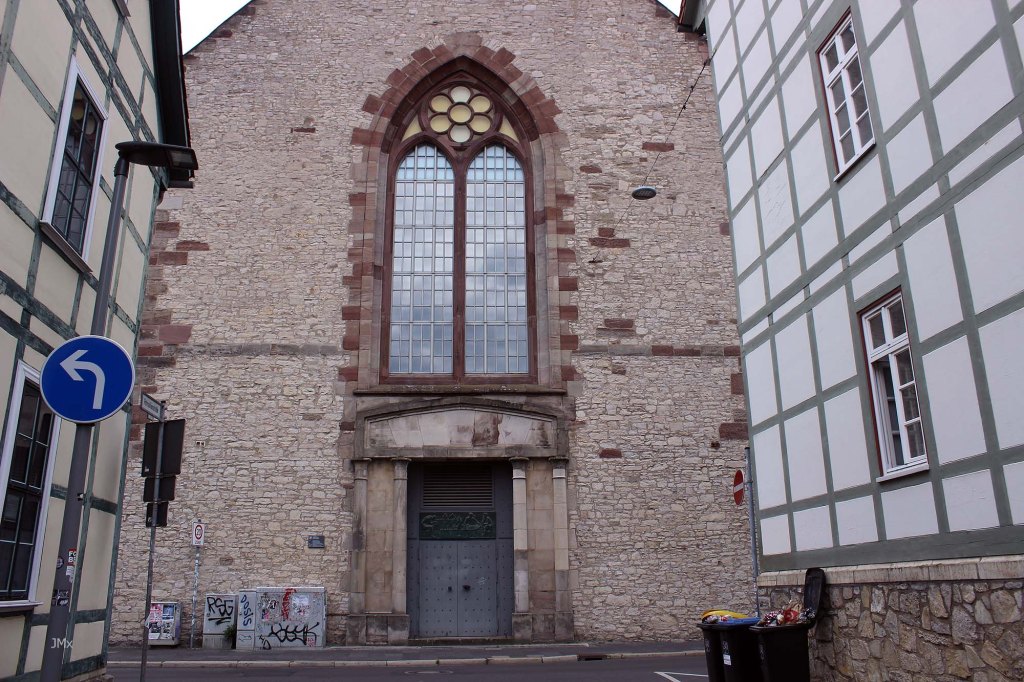
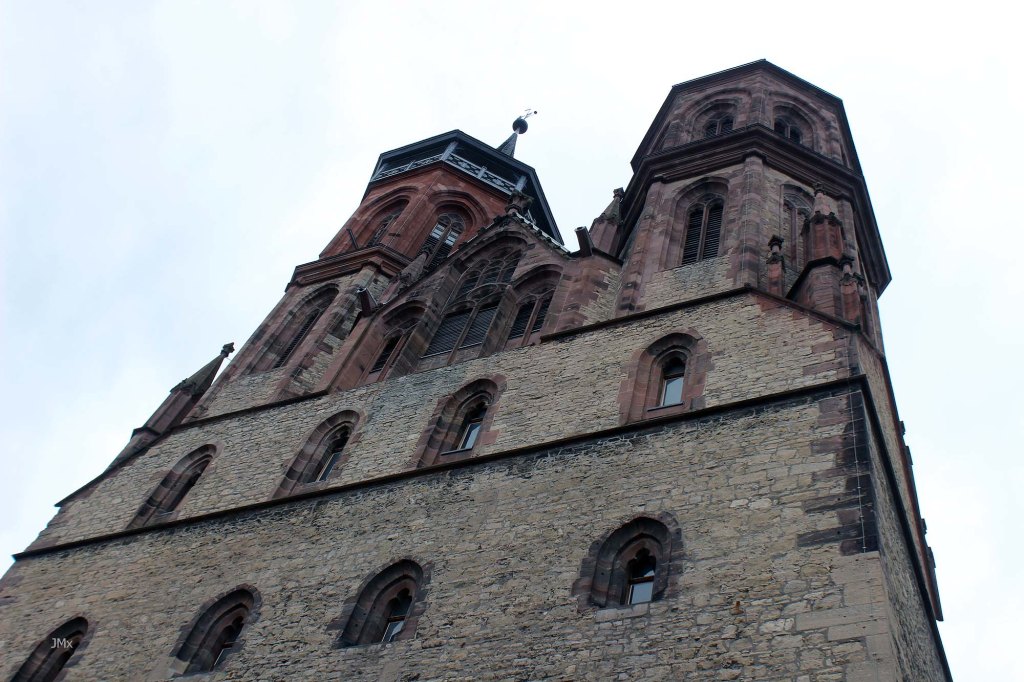
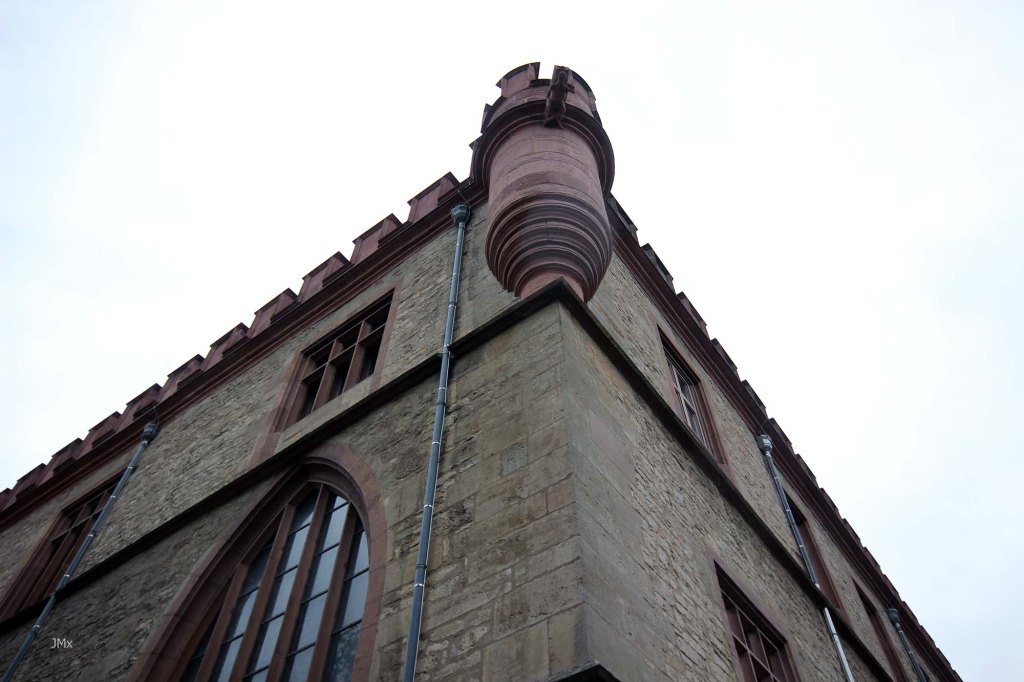
If you were to make a gothic movie or write a novel set in Göttingen the predominant Gothic buildings which might feature are the Altes Rathaus, the churches of St. Albani, St. Jacobi, St. Johannis-Kirche, St.-Marien-Kirche, St. Nikolaikirche and Paulinerkirche, plus smaller structures in the old medieval town.

But nothing is ever straight forward – for instance the St Albani church is in Göttingen´s oldest parish and was built in the early 1400´s, despite this the roof is Baroque placed there years later, and the interior was altered to the neo-Gothic style in the 1800´s. Across the medieval old quarter the St. Johannis-Kirche is built upon a Romanesque basilica in the 1400´s and was altered to be classical in the 1700´s and semi-restored to Gothic in 1895.

For me the hidden gem of Gothic Göttingen is the ghost of British poet Samuel Taylor Coleridge who studied and taught here in 1799, his epic poem the Rime of the Ancient Mariner (1794) is a Gothic tour de force describing a mariner who wears an albatross about his neck an idiom signifying his burden of guilt and deep regret. Mary Shelley quotes the poem in Frankenstein (1818) when a monomaniacal scientist disastrously abandons his own created monster.
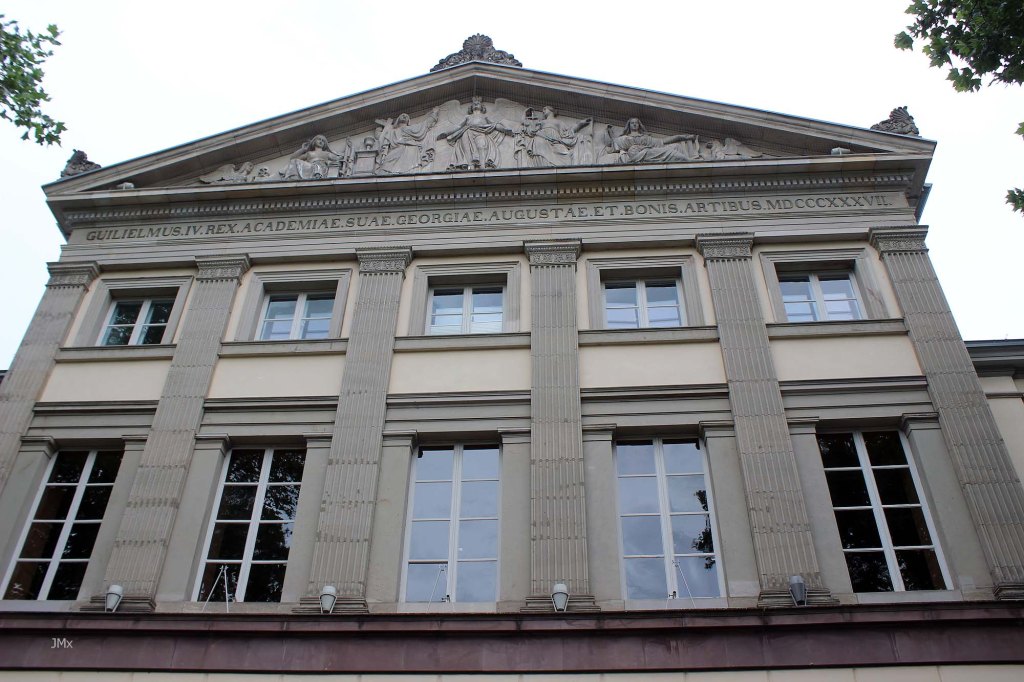
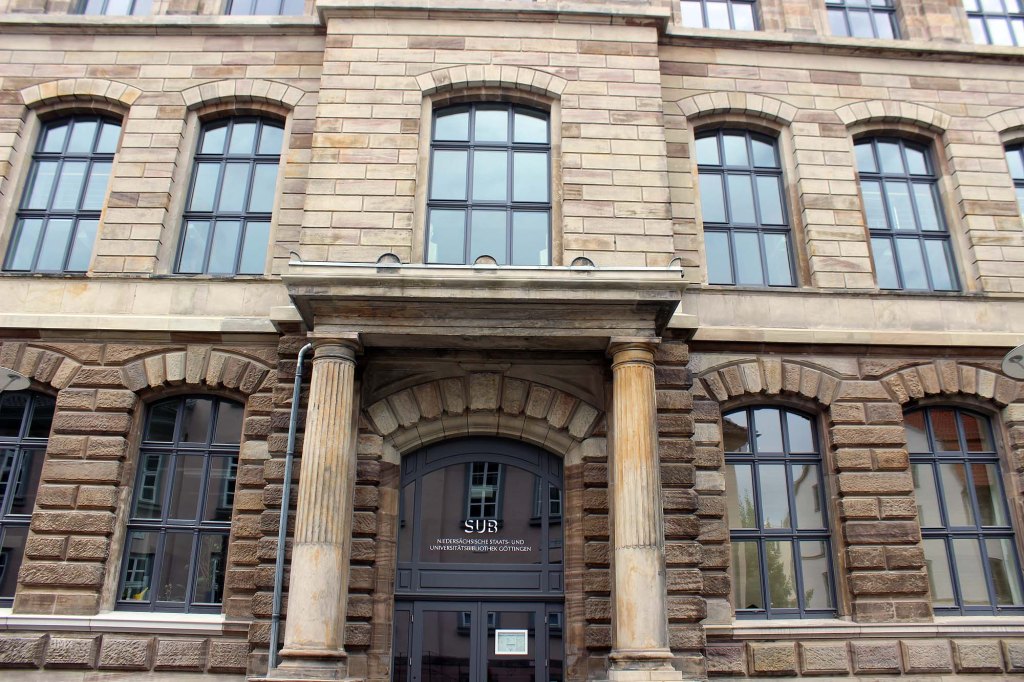
Increasingly across Europe gothic and later decorative Baroque and the exuberant Rococo period edifices were replaced changing the urban landscape becoming dominated by often large stone classical Greek/Roman like structures a mimic of Antiquity and these stand today, one such is the Alua of Gö University (1837). In Britain there was much backlash when it was decided to rebuild the Houses of Parliament in London in a Gothic revival style rather than the Neo-Classical when the old palace burnt down in 1834.
Hugo wrote his novel of the bell ringer in the 1800´s but set it when Norte-Dame was in its Gothic heyday in the 15th century.
Hugo wrote of Notre-Dame offering a great sense of the Gothic and maybe of the unknown in the shadows, “The cathedral was already dark and deserted. The counter-naves were full of darkness, and the lamps of the chapels were beginning to twinkle, the vaults becoming black. Only the great rose of the façade, whose thousand colours were engulfed by a horizontal sunbeam, shone in the shadows like a jumble of diamonds and echoed their dazzling spectre at the other end of the nave.”
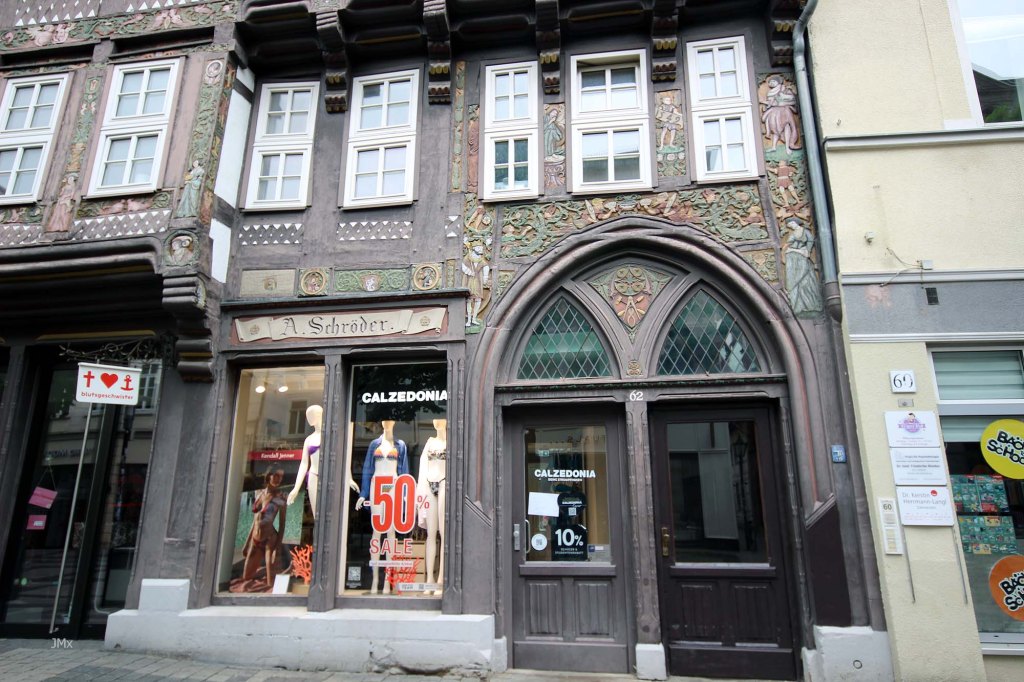
Gothic architecture is so cool because of the often-humorous gargoyles and other tracings decorating facades, and some tell tales.

I saw there was a nightclub advertised recently an event with a goth theme, and I was tempted to attend, although this is whole different subculture.
Modern Goth music, literature and art contains a mix of foreboding, moody-dark, mystery, being haunted, and there are offshoots such as a fascination with vampires. For some it is a preference for wearing black.
I am not a Goth but do read lots of gothic literature much from the 19th century, the inspiration of the mainstream view of what is Goth – The Rime of the Ancient Mariner, Frankenstein, Jean Genet, Venus in Furs, The Hunchback of Notre Dame, The Portrait of Dorian Grey, The Story of O, 120 Days of Sodom, The Magic Mountain, Death in Venice, The Three Penny Novel, Dr Jekyll and Mr Hyde, Dracula, Emannuel, Ages of Lulu, The Green Knight, Friedrich Nietzsche, The Lady of Chalot, and Grimm Fairy Stories.
Films – La Grande Bouffe, Death in Venice, and Belle de Jour, none of which are ´horror´ movies, but is there a difference between the two genres.
Music – Mahler, The Doors, Velvet Underground, and Punk Rock.
On Strava: https://www.strava.com/activities/15026846688
Links
Gothic Cathedrals
Göttingen
Hunchback of ..
Gothic Art
Frankenstein
The Rime of..














 Velo Klubhaus